
The University of Sciences and Arts in Lebanon (USAL), represented by its Faculty of Education, in collaboration with Al Mabarrat Institutions, has launched a strategic training project aimed at building educational and institutional readiness for the implementation of the developed Lebanese curriculum and preparing educational leaders to lead its first phase of implementation in Al Mabarrat schools.
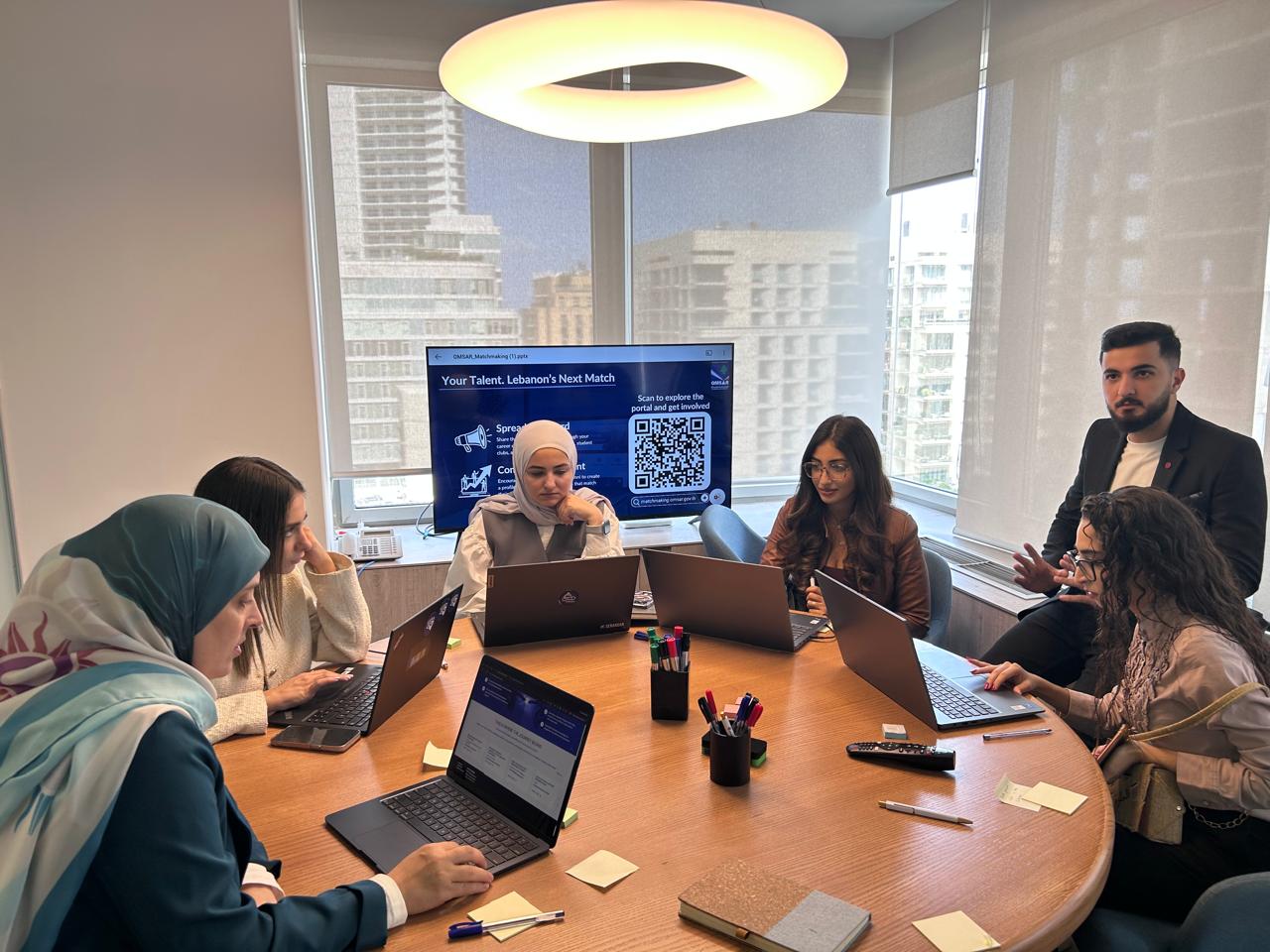
The project’s opening session, hosted by USAL, brought together early childhood and Cycle 1 coordinators and educational supervisors from Al Mabarrat Institutions, alongside academics and researchers from the USAL Faculty of Education. The initiative strengthens the integration of academic expertise and field-based practice and supports the development of practical models for the implementation of the developed curriculum.
Dean of the Faculty of Education, Dr. Walid Hammoud, emphasized that the launch of this project is part of a strategic educational vision aimed at preparing leaders capable of guiding the curriculum transition and effectively supporting the implementation of the developed Lebanese curriculum. He explained that participants were selected based on their extensive educational experience and their pivotal role in leading the first phase of implementation, particularly through supporting teachers, enhancing the quality of educational practices, and ensuring effective curriculum implementation.
Dr. Hammoud noted that the project goes beyond theoretical training to provide a comprehensive practical experience that takes participants from understanding the philosophy and foundations of the curriculum to applying them in classroom practice. This includes analyzing its components, designing learning units, developing learning situations and performance tasks, creating assessment tools, and producing educational resources, thereby strengthening educators’ ability to transform the curriculum into effective and impactful educational practices.
For his part, Mr. Fayez Jalloul, Coordinator of the Directorate of Education at Al Mabarrat Institutions, highlighted the importance of the project in empowering educational staff to effectively lead the implementation of the developed curriculum. He noted that the partnership with the USAL Faculty of Education will contribute to enhancing the quality of the educational process and achieving a sustainable impact across Al Mabarrat schools.
The project is expected to produce practical models, learning units, and educational resources that support differentiated instruction and inclusive education, serving as an institutional educational reference for the gradual implementation of the curriculum. This initiative is part of a strategic partnership aimed at advancing curriculum development, building educational capacities, and contributing to efforts to support educational reform in Lebanon.
 EN
EN  AR
AR